What Is Methamphetamine?
Methamphetamine is a powerful synthetic central nervous system (CNS) stimulant that releases both dopamine and norepinephrine in the brain, leading to a euphoric and prolonged stimulant effect that far exceeds the dopamine response with natural rewards.[1]
Methamphetamine is classified as a Schedule II controlled substance and is available in very limited medical form as a prescription called Desoxyn, used to treat obesity and attention deficit hyperactivity disorder (ADHD).[2]
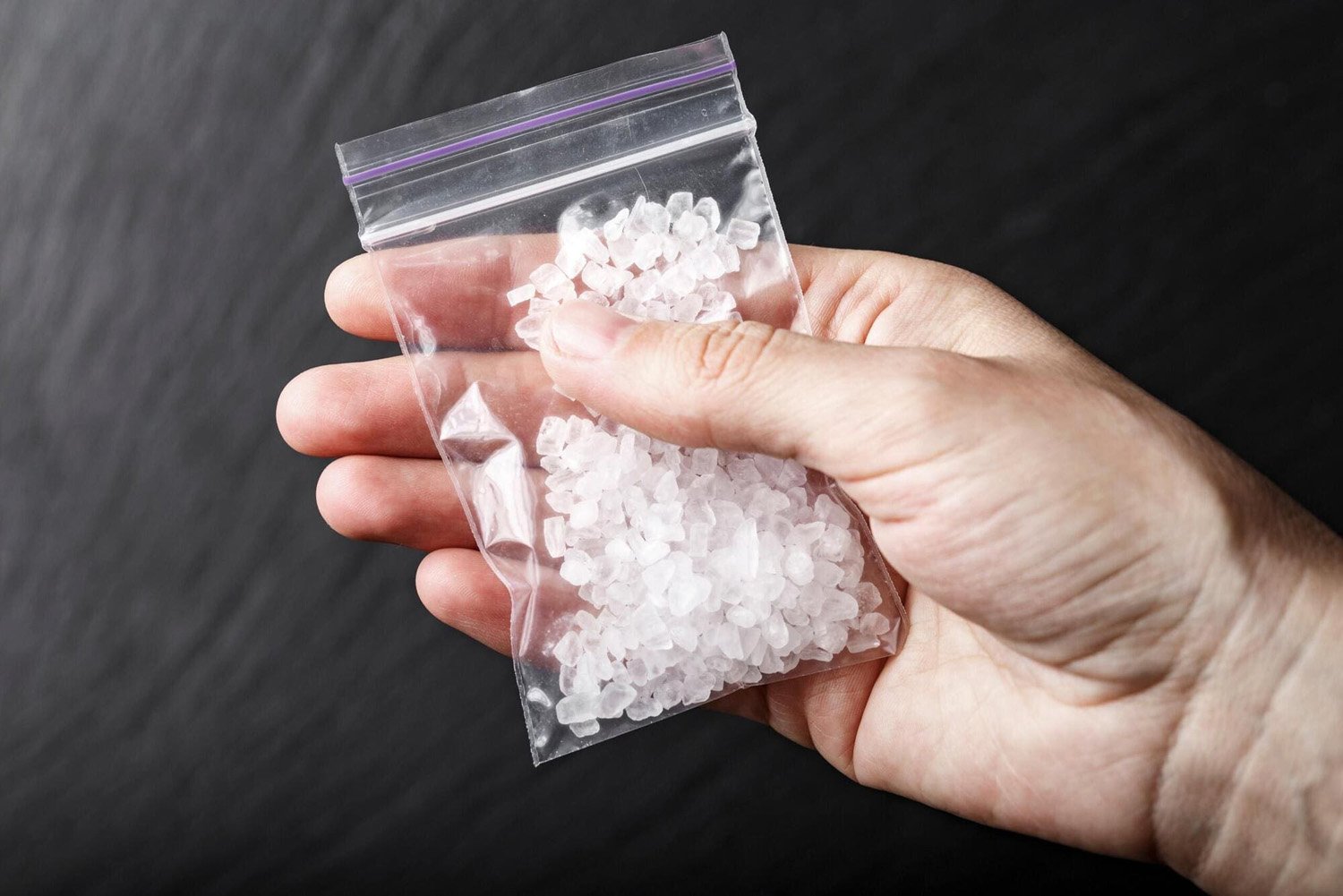
The meth used illicitly however, is illegally manufactured and the form most frequently responsible for misuse, addiction, and overdose; it commonly appears as crystalline powder or solid known as crystal meth that can be smoked, injected, snorted, or ingested.[3] When consumed, meth produces intense euphoria, increased energy, decreased appetite, hyper-focus, and a sense of invincibility, and that can last for several hours.[4] This long-lasting high, significantly longer than cocaine, is due to its sustained effect on dopamine and norepinephrine in the brain and contributes to meth’s addictive qualities.
Signs of Meth Use and Addiction
It is critical to identify the signs of meth use and methamphetamine addiction, both for the person experiencing them and for loved ones trying to understand what is happening. Signs of meth use include:
- Dramatic weight loss and physical deterioration
- Skin picking, open sores, or “meth mites,” which is the sensation of bugs under the skin
- Severe tooth decay, often called “meth mouth”
- Dilated pupils and elevated heart rate
- Long periods of wakefulness, often days during a binge
- Extreme swings in mood, including intense euphoria while using, followed by extreme depression, irritability, and fatigue afterward
- Paranoia, hypervigilance, and psychosis, including hallucinations and delusional thinking, which are common at higher doses and with long-term use [5]
- Rapid, pressured speech combined with disorganized thoughts
- Total disregard for personal hygiene, responsibilities, and relationships
If a person has lost control over their meth use, cannot stop using it, continues to use it to avoid the crash, and has lost quality of life across all areas, this is a sign of methamphetamine addiction.
Meth Overdose
It is possible to overdose on meth, and it is a medical emergency. The signs of methamphetamine overdose include:
- Extremely elevated heart rate and blood pressure
- Chest pain or irregular heart rhythm
- Severe hyperthermia (dangerously high body temperature)
- Seizures
- Stroke symptoms, such as sudden headache, loss of vision, or weakness on one side of the body
- Loss of consciousness or coma
- Agitated psychotic behavior, with or without aggression
Methamphetamine overdose can be fatal and requires immediate medical evaluation and treatment. If you suspect an overdose from methamphetamine, call 911 immediately. Unlike an opioid overdose, there is no reversal agent available for a meth overdose.[6] Patients receive supportive treatment and require continued medical care.
Methamphetamine and Mental Health
Methamphetamine addiction is a serious issue in behavioral health due to the degree of effect it has on the brain, both while a person is using and even after stopping.[7] Many people with a methamphetamine use disorder also have multiple co-occurring mental health disorders.
Depression is significantly tied to meth addiction, with high rates of co-occurring depressive symptoms observed among users.[8] The dopamine depletion that follows methamphetamine use produces a crash that is characterized by severe depression, anhedonia, and fatigue that can last for weeks or months after stopping. For many people with underlying depression, meth initially felt like a solution — improving mood and energy in ways that nothing else had before. Understanding this is essential to providing effective treatment.
Attention-deficit hyperactivity disorder (ADHD) also has a close relationship with stimulant use disorder.[9] People who have undiagnosed ADHD often find that methamphetamine enhances their attention span and creates the energy needed to focus on daily tasks. The relationship between misusing stimulants and undiagnosed ADHD is one of the biggest questions when assessing patients with a methamphetamine use disorder.
Methamphetamine use disorder is frequently associated with co-occurring mental health conditions such as post-traumatic stress disorder (PTSD), anxiety disorders, and bipolar disorder.[10] These disorders contribute to emotional distress, and for many, methamphetamine is used as a means of coping with the pain related to these disorders.
The most concerning effect methamphetamine has on mental health is the risk of meth-induced psychosis. Methamphetamine-induced psychosis can affect a person while they are using meth, during withdrawal, and long-term following heavy use. If you are genetically predisposed to a psychotic disorder, using meth may also trigger the onset of one or extend the duration of an existing psychotic disorder, requiring treatment from a psychiatrist.[11]
Treating the Underlying Causes of Meth Abuse
Many patients with a history of meth use have been through treatment more than once. They’ve tried detox, residential rehabilitation, or outpatient programs, sometimes more than once. These treatment options may have served as a temporary fix to manage the substance abuse, but the underlying depression, ADHD, and trauma are still underneath if those conditions weren’t treated — and they increase the likelihood of relapse and a return to substance use.
The most effective approach for patients with both a methamphetamine addiction and a co-occurring mental health disorder is to treat the co-occurring disorder as the primary diagnosis that it is.
At Helios West Palm, we provide comprehensive, psychiatric-led, integrated treatment programs for patients with mental health challenges. We are not a detox facility, nor a primary treatment facility for addiction. For patients whose methamphetamine use disorder is secondary to an unaddressed psychiatric condition, we provide integrated, psychiatric-led treatment of the source problem to give recovery a lasting foundation.