What Is Cannabis Use Disorder?
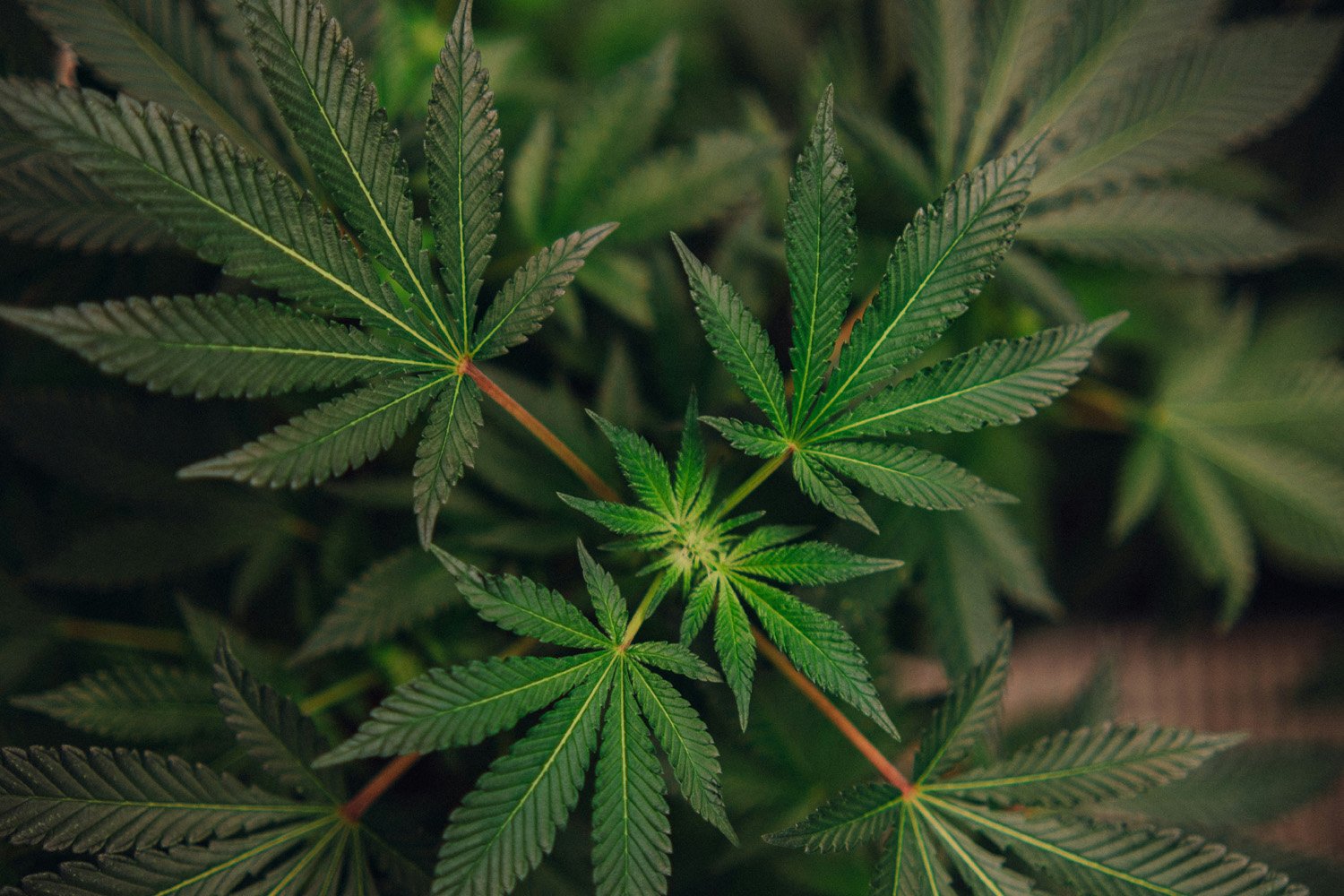
Cannabis, also called marijuana, weed, pot, grass, dope, and many other street names, is a psychoactive plant whose dried flowers, leaves, and concentrates are smoked, vaped, or consumed in edibles to produce a “high.”[1] It is the most commonly used illegal drug in the US, and as legalization expands across states, the cultural assumption that it is harmless has expanded with it. But the reality is more complicated.
Cannabis use disorder (CUD) is a clinical diagnosis describing a problematic pattern of marijuana use that causes significant problems in a person’s life.[2] The defining feature isn’t how much or how often someone uses, but whether their use is producing the symptoms of any substance use disorder, including loss of control over use, continued use despite negative consequences, building tolerance, and experiencing weed withdrawal when stopping.[3]
CUD is more common than most people realize. According to the National Institute on Drug Abuse and national research surveys, about 9% of people who use cannabis will develop CUD, and that number jumps to 17% for those who start in adolescence, and to between 25% and 50% in daily users.[4]
Developing dependence on marijuana occurs due to the compounds in the substance. THC, the primary psychoactive chemical in cannabis, acts on the brain’s endocannabinoid system, producing relaxation, altered thoughts, increased appetite, and in some people, an anti-anxiety or mood-elevating effect that drives repeat use.[5] Over time, the brain adapts to consistent exposure to high levels of THC by developing tolerance and physiological dependence. At that point, stopping cannabis use produces real withdrawal symptoms, and using cannabis becomes harder to step away from.
Can You Get Addicted to Marijuana?
Yes. Concerns about cannabis use disorder have risen along with the growing availability of high-concentration cannabis products such as concentrated oil in vape products and high-THC dried cannabis.[6] Cannabis addiction is a real diagnosis based on clinical criteria, and it is more common than ever before because of the increased potency of cannabis products.
The more concentrated a cannabis product is, the easier it is to develop a dependence on. Concentrated cannabis products deliver THC at levels much higher than the plant material that is either consumed or smoked, which puts the user at a significantly higher risk for developing tolerance and dependence. People who vape high-THC concentrates on a frequent basis are even more likely to develop cannabis use disorder than those who use occasionally or use lower-potency products.[7]
Withdrawal from marijuana is not as clinically dangerous as withdrawal from alcohol or benzodiazepines, but it is more than just uncomfortable. Withdrawal from cannabis has several symptoms, including irritability, anxiety, depression, problems sleeping, loss of appetite, restlessness, and cravings, with symptoms peaking during the first week and lasting up to two to four weeks, sometimes longer.[8] The discomfort of withdrawals is one of the reasons stopping marijuana cold turkey can be challenging.
Signs of Marijuana Addiction
Cannabis use disorder is diagnosed not only by examining the frequency of use but also by looking at how marijuana is causing problems in a person’s daily life and functioning, including:
- Using marijuana multiple times per day or continuously, and having difficulty without it
- Difficulty managing anxiety, sleep, or mood without using marijuana
- Continued use despite negative impact on motivation, memory, relationships, or work performance
- Multiple failed attempts to quit using
- Withdrawal symptoms when trying to quit
- Prioritizing marijuana use over relationships, responsibilities, and activities that used to be a priority
- Spending a significant amount of time getting or using marijuana
- Concealing marijuana use from family members or treatment providers, or withholding how much of the drug is being used
- Increasing the amount of cannabis used over time, including switching to more potent cannabis to achieve the same effects
Many people with cannabis use disorder do not initially identify their use as problematic. This is partly due to the cultural normalization of marijuana, as well as the fact that the impairments from chronic cannabis use can affect a person’s ability to recognize it.
Marijuana and Mental Health
Mental health issues and marijuana use have a complicated, two-way relationship. People with cannabis use disorder have often been using the drug for a reason besides the high, including:
Anxiety is a common reason for the use of marijuana, and cannabis use is desired by many due to its quick-acting anti-anxiety effects. However, chronic use of the drug and withdrawal are both associated with increased anxiety, particularly during attempts to quit.[9]
Depression is also linked to chronic marijuana use.[10] When someone uses marijuana chronically and suffers from low mood, a reduced ability to enjoy life, and social withdrawal alongside chronic marijuana use, it can be difficult to determine whether the substance use or the depression came first. Whatever the case, both warrant treatment.
Post-traumatic stress disorder (PTSD) is also linked to chronic marijuana usage.[11] The numbing and dissociative effects of THC at higher doses can lessen the anxiety, hyperarousal, and intrusive memories commonly associated with trauma.
Attention-deficit hyperactivity disorder (ADHD) often co-exists with substance use disorders, including marijuana.[12] In some cases, people with ADHD will use cannabis to help with focus and impulsivity. However, the literature provides conflicting evidence on this, and long-term use has negative cognitive implications that may worsen ADHD severity.
Heavy, chronic use of cannabis may also lead to an increase in the frequency of psychotic episodes in susceptible individuals.[13] This should be treated as a serious clinical concern that warrants psychiatric assessment for ongoing care. Symptoms of marijuana withdrawal, such as anxiety, insomnia, and low mood, often surface when use stops. For people with a mental health condition that was being treated with marijuana, identifying that condition during withdrawal is a key clinical indicator for treatment.
Addressing the Underlying Causes of Weed Addiction
Many people who come to us for problematic cannabis use disorder have at some point tried to quit using marijuana on their own. Many have also tried therapy or outpatient treatment, only to see temporary improvement before the anxiety, depression, insomnia, or whatever else it was that led to usage in the first place returned with relapse following shortly after.
There is a clinical reason for this: if the underlying mental health problem that contributed to substance use is not addressed, a person is very likely to return to using.
That is what Helios West Palm was built for. We recognize that, for many people, the drug is not the problem; it’s a symptom of something else. For patients whose marijuana use is secondary to an untreated mental health condition, we offer integrated residential care that gets to the source of the problem for lasting recovery.
Each patient who enters our program receives an individualized treatment plan using the results of a comprehensive psychiatric evaluation to treat both the cannabis use disorder and the underlying mental health disorder that may be driving it.