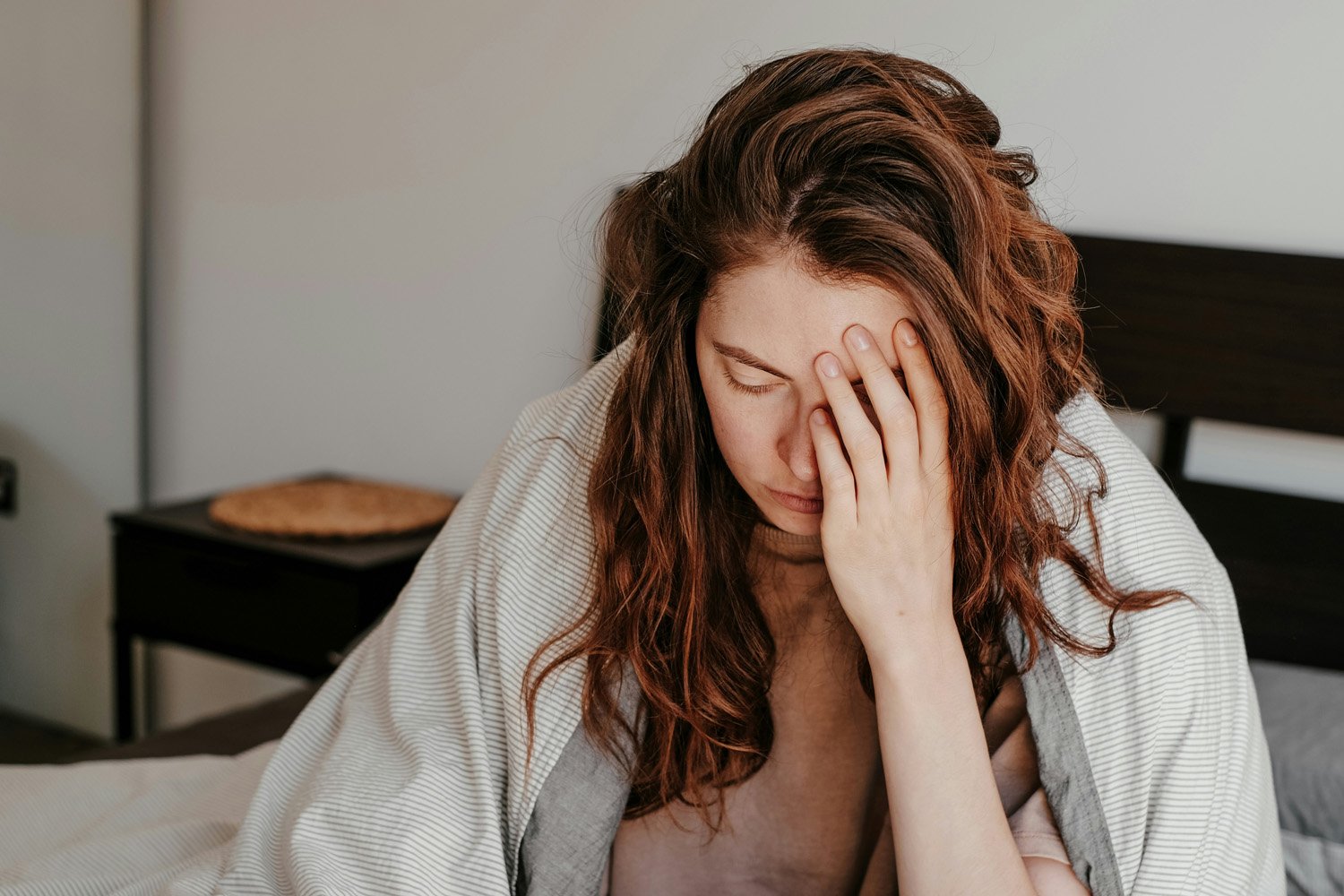
What Is Depression?
Depression is a mental health condition characterized by a depressed mood, loss of interest or pleasure, and a range of cognitive, physical, and emotional symptoms that affect how you function daily.[1] It is one of the most common mental health conditions globally and is one of the leading causes of disability worldwide.[2]
Depression is not a sign of being weak, nor is it a character flaw. Rather, it involves dysregulation of brain chemistry, nervous system response, and the neural circuits responsible for mood, motivation, and cognitive functioning.[3] Understanding this is the first step to getting appropriate help.
Types of Depression
There are many clinical presentations of depression, and each requires different forms of treatment for proper recovery. The most common are:
- Major Depressive Disorder (MDD) — Consists of one or more major depressive episodes lasting two weeks or longer, with symptoms that interfere significantly with functioning.
- Persistent Depressive Disorder (dysthymia) — A chronic, less severe form of depression lasting for at least two years. Often described as a baseline state instead of distinct episodes.
- Seasonal Affective Disorder (SAD) — Characterized by depressive episodes that occur during specific times of the year, typically in the fall and winter.
- Postpartum depression — A significant depressive episode occurring shortly after childbirth, involving symptoms beyond ordinary new-parent fatigue and requiring clinical attention.
- Bipolar depression — Depression within the context of bipolar disorder. This requires a different treatment approach than unipolar depression
- Treatment-resistant depression — Depression that has not improved sufficiently after two or more evidence-based clinical treatment attempts.
What Causes Depression?
Depression does not have one single cause and can develop due to many biological, social, and psychological factors, including:
- Neurobiological factors — Depression is associated with dysregulation of neurotransmitters such as serotonin, norepinephrine, and dopamine, which are responsible for mood and motivation.[4]
- Genetics — Depression runs in families. Having a first-degree relative with depression increases the risk of developing depression.[5]
- Trauma and adverse experiences — Adverse childhood experiences, traumatic life events, and chronic or extended stress are well-established risk factors for developing depression.[6]
- Medical and physical factors — Chronic illness, hormone level changes, and certain medications can contribute to the development or worsening of depressive symptoms.[7]
- Co-occurring conditions — Depression commonly co-occurs with anxiety disorders, substance abuse disorders, post-traumatic stress disorder (PTSD), and chronic pain, which can complicate symptoms and treatment.[8]
Symptoms of Depression
Depression affects every aspect of a person’s experience and has numerous symptoms, including:
- Persistent feelings of sadness, emptiness, or hopelessness
- Loss of interest or pleasure in previously enjoyed activities
- Fatigue or low energy. Fatigue in depression is associated with disruptions in sleep patterns and underlying changes in brain function[9]
- Sleep disturbances such as insomnia, hypersomnia, or non-restorative sleep
- Changes in appetite or weight
- Poor concentration, memory, or decision-making
- Feelings of worthlessness or excessive guilt
- Negative thoughts that seem fixed and impossible to refute
- Physical symptoms such as unexplained pain, headaches, or digestive issues
- In severe cases, suicidal thoughts or self-harm
How Depression Affects Daily Life and Relationships
Depression is never isolated to one aspect of a person’s life. It alters how they live their everyday life and puts a strain on their relationships in ways that may be hard for those around them to define and react to.
The emotional and physical withdrawal from others, decreased interest in things they once enjoyed, and inability to show up the way they want to are symptoms of depression, not choices made by those suffering from the disorder. From the outside looking in, this may seem like indifference or rejection, and over time, even the strongest relationships become eroded because of this kind of disconnect.
Part of the need for families to become involved in treatment is that the impact of mental illness affects not only the patient’s treatment, but also the support system the patient will return to at the end of treatment.
When to Seek Professional Help
Depression that has been going on longer than two weeks to a degree that is affecting daily life requires intervention from a licensed professional. A residential treatment option may be warranted when:
- There were no satisfactory results from outpatient treatment or medication
- Symptoms have become severe enough that someone is having thoughts of death or self-harm, or significant impairment in functioning
- Co-occurring issues, like substance abuse or anxiety, are complicating a person’s ability to effectively treat their condition
- A patient has treatment-resistant depression and requires intensive clinical intervention
- Support systems in a person’s life are not adequate to maintain their recovery
Depression Treatment at Helios West Palm in Florida
At Helios West Palm, the first step in treating a patient with depression is to develop an accurate diagnosis through a comprehensive psychiatric evaluation to determine the type of depression, co-occurring disorders, and history of past treatments, so that an individualized treatment plan can be formed.
Our depression treatment program provides a high level of clinical intensity that many patients require due to severe depression or treatment resistance. This includes 24/7 psychiatric monitoring, evidence-based therapeutic techniques, and well-rounded holistic treatment in a structured, supportive environment.
Benefits of Depression Treatment
Depression treatment provides more than changes to a person’s emotional well-being. It also results in improvements in functioning, interpersonal relationships, and self-esteem. The following are benefits of pursuing effective treatment:
- A significant decrease in depressive symptoms and an enhancement of daily energy and mood
- A return to engagement and interest in activities, relationships, and life
- Improved sleep, physical health, and cognitive functioning
- Enhanced coping skills with managing stress and life changes that are triggers for depressive episodes
- Better management of co-occurring conditions like anxiety and substance abuse
- Healthier, more connected relationships with a support system better equipped to help you sustain long-term recovery
- More self-compassion and a more accurate understanding of oneself